
If you’re a director or a person with significant control (PSC) of a UK company, there’s a new legal requirement that’s now live — and it’s one we’re seeing catch out a lot of otherwise well-organised business owners, mostly because the deadline isn’t one single date. It’s personal to you.
Here’s what’s actually going on, and what you need to do about it.
What’s changed
Since 18 November 2025, identity verification has been a mandatory part of running a UK company under the Economic Crime and Corporate Transparency Act 2023. For decades, anyone could register as a company director with little more than a name and an address. That’s now changed — every director and PSC on the public register needs to have their identity verified and linked to a unique personal code.
This isn’t a one-off filing you do and forget. It’s now woven into the basic mechanics of running a company:
- New directors appointed after 18 November 2025 must verify their identity before the appointment can even be filed. You can’t legally become a director without it.
- New PSCs have a 14-day window to verify after being added to the register.
- Existing directors need to provide their personal code at their company’s next confirmation statement — not at some fixed calendar date, but whenever your specific filing falls due.
- Existing PSCs who aren’t directors have a 14-day window tied to their month of birth.
The backstop for everyone is 18 November 2026, but in practice, most companies will hit their own deadline well before that — whenever their confirmation statement is next due.
The bit that trips people up: one unverified director blocks everything
This is the part worth taking seriously. If your company has, say, three directors and two have verified but one hasn’t, Companies House will not accept your confirmation statement. Not partially. Not with a note to follow up later. The whole filing is blocked until every director’s code is in.
And missing a confirmation statement deadline is, in itself, a criminal offence. It can lead to fines of up to £5,000 per director, potential disqualification, and ultimately the company being struck off the register if it drags on. Companies House has said it won’t be pursuing prosecutions during the first 12-month transition period — but that grace period ends in November 2026, and it doesn’t help you if your filing is simply blocked in the meantime.
If you’re a director of multiple companies, it gets a layer more complicated: you only need to verify your identity once as an individual, but your effective deadline is whichever of your companies’ confirmation statements falls due first. If Company A files in September and Company B files in March, March is your real deadline — not September.
How verification actually works
There are two routes:
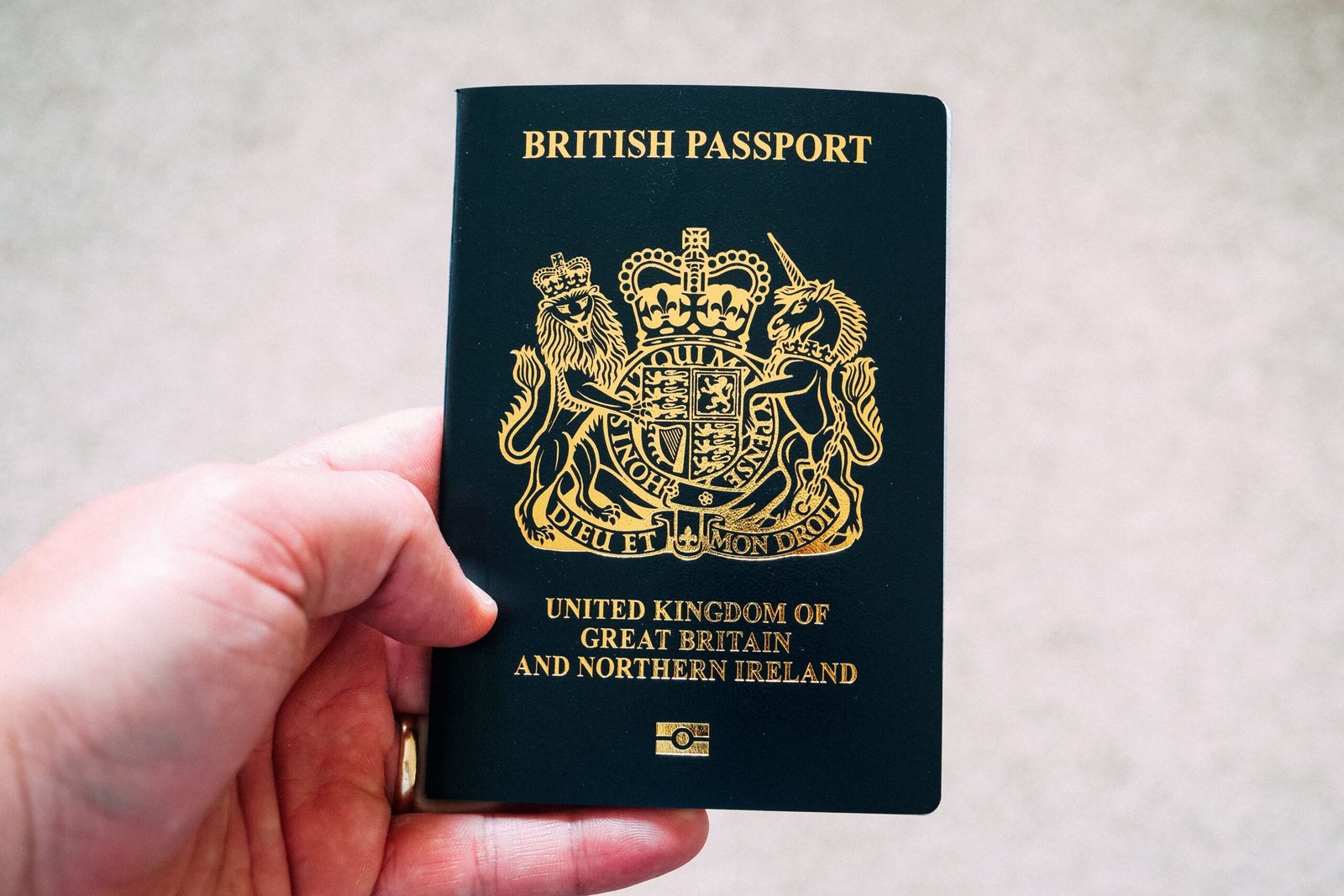
- GOV.UK One Login, done yourself, for free. You’ll need a biometric passport (the kind with the chip — look for the small rectangular symbol on the cover) or a UK driving licence, plus a smartphone for the photo and liveness check. Most people get through it in under three minutes.
- Through an Authorised Corporate Service Provider (ACSP) — typically an accountant or solicitor registered for this purpose — who verifies you and files on your behalf. This is the route for anyone without a suitable smartphone or biometric ID, and it’s also simply easier if you’d rather your accountant handled it alongside everything else they file for you.
If you’re also the PSC of your own company — extremely common for owner-managed limited companies — you may need to go through this twice: once in your capacity as director, and separately for your PSC role, even though it’s the same verification.
What we’d do for you
This is exactly the kind of compliance detail that’s easy to let slip when you’re busy running a business. As an ACSP, we can verify your identity on your behalf and handle the filing directly, so it’s one less date for you to track. What we’d typically do:
- Confirm your company’s actual confirmation statement due date (not just assume it’s your year-end)
- Check whether you’re flagged as a PSC as well as a director, and what that means for your specific deadlines
- Handle verification through our ACSP status if you’d rather not do the GOV.UK process yourself
- Make sure your name appears identically across your director and PSC records — small inconsistencies like a missing middle initial can cause matching problems further down the line
The takeaway
This isn’t optional, and it isn’t far away for most companies. If you haven’t verified yet and you don’t know your next confirmation statement date off the top of your head, that’s the first thing worth checking — today, not in a few months.
Northwyn is an Authorised Corporate Service Provider and can verify your identity and file your confirmation statement on your behalf. Get in touch and we’ll check your deadline and handle the rest.
FAQuestions Section
Do all directors need to verify their identity?
Yes. All directors and Persons with Significant Control (PSCs) must complete identity verification under the Economic Crime and Corporate Transparency Act. The exact deadline depends on your role and your company’s filing timetable.
What happens if I miss the deadline?
Your company may be unable to file its confirmation statement, potentially leading to late filing issues, penalties, and compliance problems with Companies House.
Can my accountant verify my identity for me?
Yes. If your accountant is registered as an Authorised Corporate Service Provider (ACSP), they can complete verification on your behalf and handle the filing process.
How long does identity verification take?
For most directors using GOV.UK One Login, the process takes only a few minutes provided you have suitable identification and a smartphone available.
Do I need to verify separately as a PSC?
In some cases, yes. Directors who are also PSCs may need separate verification requirements satisfied depending on how they appear on the Companies House register.